近日,我在《金融时报》的专栏文章里,探讨了中美大模型领域的新竞争格局。
当美国科技巨头们在封闭的实验室里,以“赢者通吃”的寡头竞争模式建立先发优势时,一股强劲的中国开源力量正迅速崛起。中国大模型采取的并非单打独斗的路线,而是携手共进、集体攻坚的模式,走出了一种具有中国特色的“破局范式”。
这场开源与闭源的博弈,酷似当年智能手机操作系统领域的安卓与iOS之争。中国AI正凭借其“安卓策略”,以开放、可定制化等优势,撬动并重塑着全球AI的格局。
以下是专栏文章全文:
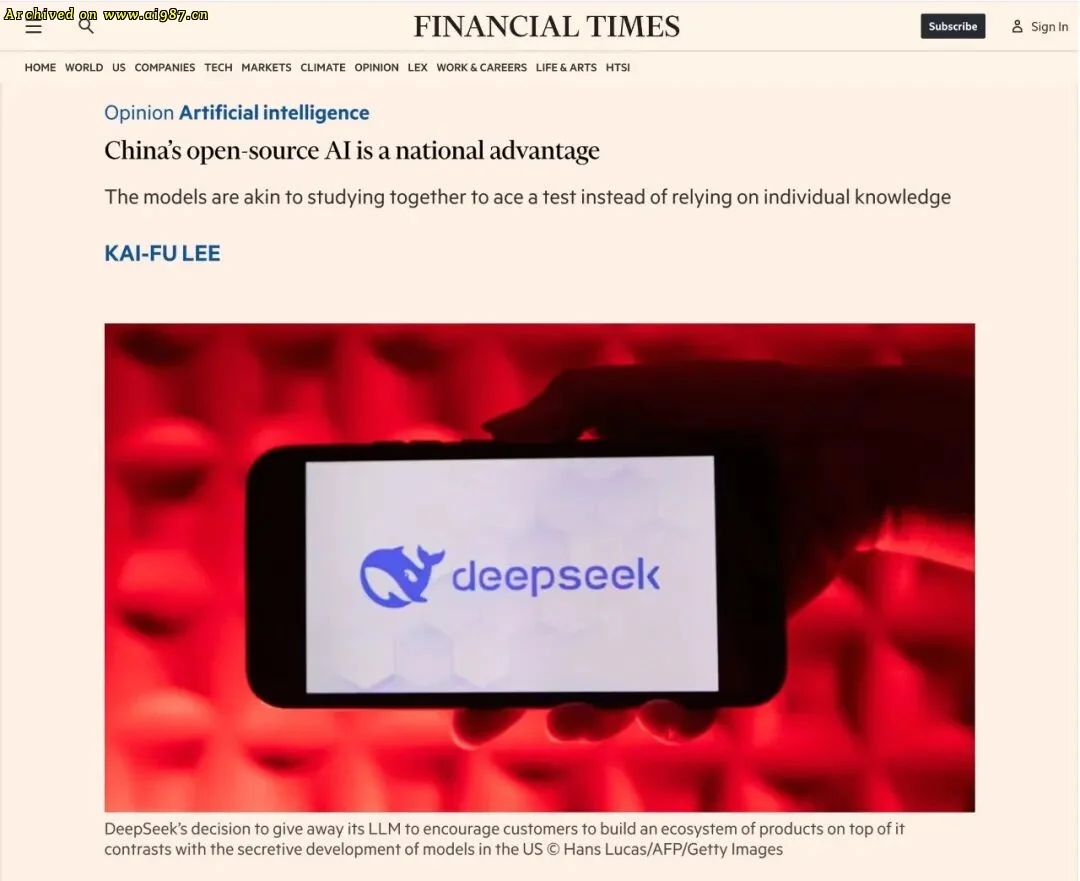
中国大模型不是依靠单打独斗,而是携手共进以集体力量攻克课题。
作者:李开复
零一万物 CEO、创新工场董事长
今年一月,中国大模型公司“深度求索”(DeepSeek)发布其 R1 大语言模型时,美国纳斯达克指数曾出现单日 3% 的下跌。这款模型在性能上足以匹敌当时市场领先的所有美国闭源大模型,而其所消耗的算力却仅是后者的一小部分,这无疑暗示着美国在生成式 AI 领域的先发优势正在收窄。更引人注目的是,R1 模型选择了开源,任何人都可以免费下载并用于商业用途。
时至今日,我们有更充分的理由相信中国大模型公司能够与美国优秀同行全球竞逐。深度求索最新推出的两款模型,其推理能力已经媲美 OpenAI 的 GPT-5 和谷歌的 Gemini-3 Pro。继 R1 和阿里巴巴的通义千问(Qwen)取得巨大成功后,开源模型在中国正逐渐成为行业主流。百度、智谱、月之暗面和美团等公司均允许用户下载、研究并定制化使用它们的顶尖开源模型。这种开源开放的做法与美国大模型领域日趋封闭的开发模式形成了鲜明对比,也为中国大模型行业提供了一种独特的、有中国特色的破局范式。
开源模型赋予了用户按需定制模型的能力。例如,可以针对垂直行业进行微调。更重要的是,模型可以做企业私有化部署,无需将数据传送给第三方服务器。对于科研人员、高校师生、技术爱好者和创业者而言,免费的开源模型也大幅降低了其获取前沿AI技术的上手门槛。
我个人对此深有体会,因为早在 1988 年,在我完成语音识别领域的博士论文后,我在卡耐基梅隆大学(CMU)的导师、图灵奖得主 Raj Reddy 教授就建议我将工具包进行开源。几十年过去了,这个工具包仍被开源社区使用和更新[1]。这让我深切体会到了开源社区的力量以及共享资源的持久生命力。
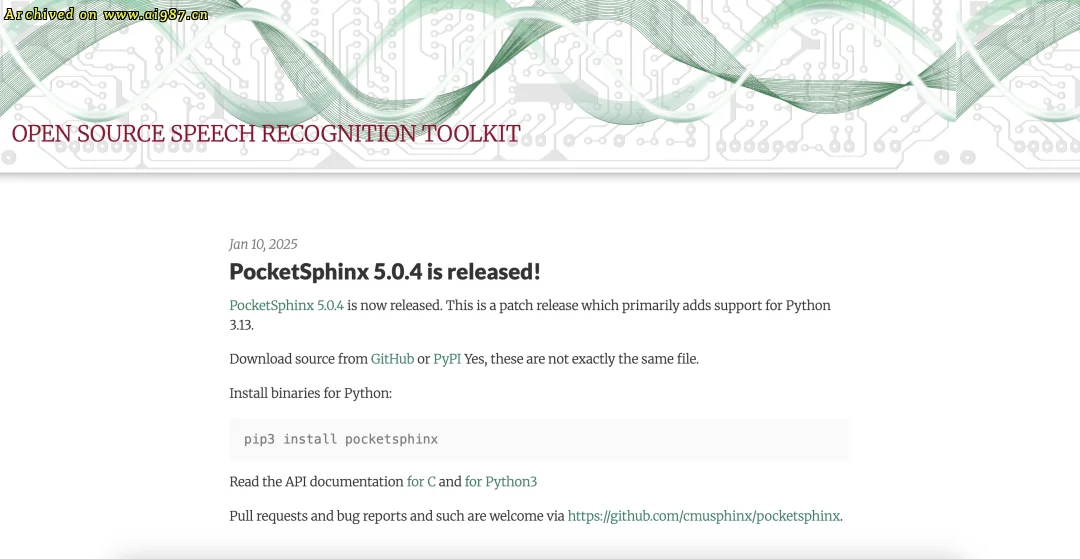
CMUSphinx开源项目:
https://cmusphinx.github.io/
随着越来越多的中国大模型公司选择开源自身模型,整体产业发展进程正在显著加速。不同公司的工程师得以相互研究彼此的模型,以及在此基础上独立开发和迭代出数千个变体。这使得创新者们能够筛选整合不同模型的优点,进行渐进式改良。这就好比拔尖的学生们不仅仅依赖于个人智力,反倒齐心组成了共学小组来一起攻克课题。这使得中国大模型企业有更多的杠杆去与美国同行竞争。
01
必然的选择:
中国的“后发追赶”战略
中国选择开源道路实属必然。尽管 Meta 在借助 Llama 模型推动模型开源,但大多数美国开发者仍将最尖端的大模型视为私有资产。究其根本,美国在生成式 AI 领域的早期领先地位,是以经典的“硅谷模式”建立起来的:OpenAI、Anthropic 和 xAI 等公司依托风投的巨额投资,采购高性能 GPU,并招募顶尖研究人才,在封闭的实验室中开发模型。他们如今正陷入一场“赢者通吃”的寡头竞争,各家都寄希望于打造性能最强的模型,挤压对手的空间,以此来建立市场垄断地位。
处于追赶状态的中国大模型行业,则必须将重点放在“多快好省”的效率上,着力开发算力需求更低、使用成本更优的模型,以生态打法走变道超车。例如, DeepSeek 免费开源模型,正是为了鼓励用户基于 DeepSeek 基座模型构建生态系统。在 R1 模型发布后数周内, Hugging Face 上的开发者就创建了超过 500 个衍生模型,累计下载量达 250 万次 [2]。
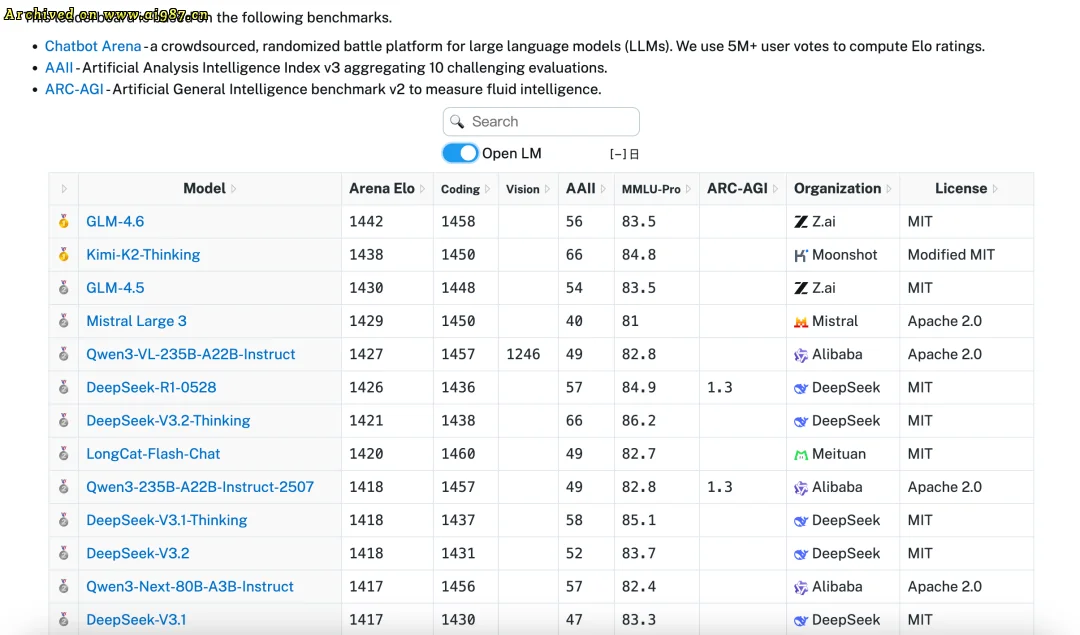
图源:OpenLM.AI(2025年12月11日)
目前,全球排名前十的开源模型 [3] 几乎全部来自中国(截至2025年12月11日)。这一优势已如此明显,以至于谷歌前 CEO 埃里克·施密特 [4] 曾提出警示,开源模型领域,美国人工智能企业可能将完全被中国AI反超。
02
大模型领域的
“安卓 vs iOS”博弈
当然,这一切并不意味着中国必然会在人工智能竞赛中超越美国。美国公司在研究领域仍保持领先,并在持续投入海量资源进行开发。他们的企业客户愿意支付高昂订阅费来使用闭源模型,为下一代的模型研发提供真金白银。此外,美国公司可以畅通无阻地获取世界一流的 GPU,这仍是生成式 AI 迭代不可或缺的硬件基石。
因此,未来人工智能大模型的发展格局很可能类似于智能手机操作系统领域的 Apple 与 Google 之争:美国公司正在构建一个类似 Apple iOS 的封闭生态系统,提供高价的“精品服务”;而中国公司的发展路径则更接近 Google 安卓(Android),打造开放且可定制化的操作系统。

图源:pexels
虽然 iPhone 在高消费力群体中广受欢迎且利润丰厚,但覆盖更广的安卓系统却成为全球 70% 以上智能手机的操作系统 [5]。中国的人工智能企业正遵循类似的“安卓策略”,通过技术开放与合作,推动产品与服务的丰富性和覆盖率,以实现更大版图的行业竞争力和影响力。
本文翻译自《金融时报》英文专栏,原文如下:
China’s open-source Al is a national advantage
The models are akin to studying together to ace a test instead of relying on individual knowledge
BY KAI-FU LEE
When Chinese artificial intelligence company DeepSeek released its R1 large language model in January, America’s Nasdaq index fell 3 per cent in one day. The model rivalled market-leading US AI models in performance while using a fraction of their computing power, suggesting that America’s head start in generative AI might be shrinking. What’s more, it was made available open-source. Anyone could download it free and adapt it for their own commercial use.
Today, there is more reason than ever to believe Chinese AI companies can rival their US peers. DeepSeek’s latest two new models match the reasoning performance of OpenAI’s GPT-5 and Google’s Gemini-3 Pro. The runaway success of R1 and Alibaba’s Qwen have made open-source models the norm in China. Companies like Baidu, Zhipu, Moonshot AI and Meituan all allow users to download their cutting-edge models, interrogate how they work and adapt them. Contrasted with the secretive development of LLMs in the US, they offer a distinct Chinese pathway for progress in AI.
Open-source AI gives users the ability to customise models — fine tuning them for use in a specific industry, for example. The models can also be run on a customer’s internal servers, which means corporate users don’t have to send their data to AI companies. And free, open-source models make state-of-the-art AI affordable for researchers, students, hobbyists and entrepreneurs.
I know this from personal experience. Back in 1988, after finishing my PhD on speech recognition, my adviser, Turing Award recipient Professor Raj Reddy, suggested I open-source the toolkit. Decades later, it is still being used and updated [1]. This has shown me the power of open-source communities and the longevity of a shared resource.
As more Chinese AI companies have open-sourced their models, development has accelerated. Engineers at different companies study each other’s models as well as the thousands of variants developed independently, allowing innovators to cherry pick features and make incremental improvements. The effect is akin to studying together to ace a test, rather than relying on individual intelligence. Today, there is more reason than ever to believe Chinese AI companies can rival their US peers.
This was born from necessity. While Meta promotes an open-source approach to AI through its Llama model, most US developers keep their cutting-edge LLMs to themselves. America’s early lead in generative AI was developed in classic Silicon Valley fashion. Companies like OpenAI, Anthropic and xAI used huge quantities of venture capital to procure high-performing graphic processing units (GPUs) and the best researchers to develop models in closed labs. They are now engaged in a winner-takes-all battle to build the best-performing model, squash competition and establish a monopoly.
Forced to play catch-up, China’s AI industry has focused on efficiency, developing models that require less computing power and so are cheaper to use. DeepSeek chose to give away its model to encourage customers to build an ecosystem of products on top of it. Within days of the release of its R1 model, for example, developers on AI community Hugging Face had created more than 500 derivative models, which were downloaded 2.5mn times [2].
Today the 10 top-ranked open-source AI models [3] are almost all Chinese. The dominance is now so pronounced that former Google CEO Eric Schmidt [4] has warned that US companies risk ceding open-source AI to China completely.
None of this means China will necessarily win the AI race against the US. American companies continue to lead in research and to pour huge resources into development. Their corporate customers are willing to pay high subscription fees to access closed models, thus funding further R&D. Unlike Chinese businesses, which face US export restrictions on Nvidia chips, they also enjoy unencumbered access to the best-in-class GPUs — a hardware essential to AI computation.
The future of AI development could therefore resemble the rivalry between Apple and Google in smartphone operating systems. Like Apple’s iOS, US companies are building a closed ecosystem, charging high prices to access a premium product. China’s AI approach is closer to Google’s open and customisable Android operating system.
While iPhones are popular with wealthy consumers and highly profitable, Android powers over 70 per cent of smartphones globally [5]. China’s AI companies are following a similar “Android strategy”, aiming for broader reach through open technologies.
[1] https://cmusphinx.github.io/
[2] https://x.com/ClementDelangue/status
/1883946119723708764?ref_src=twsrc%5Etfw
[3] https://openlm.ai/chatbot-arena/
[4] https://www.ft.com/content/84cf0b2e-651d-4cb4-b426-ebc7afd634fa
[5] https://gs.statcounter.com/os-market- share/mobile/worldwide
出处:微信公众号 @李开复